
Kicking off with Sell My House Fast in Portland, Oregon: iBuyer vs. Traditional Sale Breakdown, this opening paragraph is designed to captivate and engage the readers, setting the tone casual formal language style that unfolds with each word.
The content of the second paragraph that provides descriptive and clear information about the topic
iBuyer vs. Traditional Sale Overview

When considering selling a house, homeowners have the option to either go the traditional route or explore the relatively newer concept of iBuyers in the real estate market. Both methods have their own set of advantages and considerations that sellers need to be aware of.
iBuyers in Real Estate
- iBuyers are companies that use technology to make quick offers on homes, generally at a slightly lower price than market value.
- They aim to streamline the selling process by providing fast transactions and convenience to sellers.
- Typically, iBuyers purchase homes as-is, meaning sellers don't have to worry about repairs or staging.
Traditional Home Sale Process
- In a traditional sale, homeowners list their property with a real estate agent and go through the process of open houses, negotiations, and closing.
- Sellers have the opportunity to showcase their home in the best possible light to attract potential buyers.
- The traditional sale process can take longer compared to selling to an iBuyer, but sellers may potentially get a higher sale price.
Main Differences Between iBuyers and Traditional Sales
- Speed:iBuyers offer a quicker selling process, usually closing within a few weeks, while traditional sales can take months.
- Convenience:iBuyers provide a hassle-free experience with minimal effort required from the seller, whereas traditional sales involve more hands-on involvement.
- Price:iBuyers may offer a lower price than market value for the sake of convenience, whereas traditional sales allow for negotiations to potentially fetch a higher sale price.
Selling Process Comparison
When considering selling a house fast in Portland, Oregon, it is essential to understand the different processes involved when selling to an iBuyer compared to a traditional sale. This comparison can help you make an informed decision based on your specific needs and timeline.
iBuyer Selling Process
- Contact the iBuyer: The first step is to reach out to the iBuyer online and provide details about your property.
- Receive an Offer: The iBuyer will evaluate your home and provide you with a cash offer typically within a few days.
- Accept the Offer: If you agree to the offer, the iBuyer will schedule a home inspection and finalize the sale.
- Closing: The closing process can happen quickly, often within a week, allowing you to sell your house fast without the hassle of showings or repairs.
Traditional Sale Timeline
- Preparation: Before listing your home, you may need to make repairs, stage the property, and work with a real estate agent to set the right price.
- Listing: Once your home is ready, it can take weeks or even months to attract potential buyers and receive offers.
- Negotiation: After receiving an offer, there may be back-and-forth negotiations that can further delay the sale process.
- Closing: The traditional closing process typically takes 30-60 days, involving inspections, appraisals, and other contingencies.
Overall, selling to an iBuyer offers a faster and more streamlined process compared to a traditional sale, allowing homeowners to sell their house quickly without the uncertainties and delays often associated with the traditional real estate market.
Pros and Cons of iBuyers
Selling a house to an iBuyer can have its advantages and disadvantages. Let's explore the pros and cons of working with iBuyers in Portland, Oregon.
Advantages of Selling to an iBuyer
- Quick Sale: iBuyers offer a fast and convenient way to sell your house without the need for showings, repairs, or staging.
- Cash Offer: iBuyers typically provide a cash offer for your property, ensuring a smooth and hassle-free transaction.
- No Contingencies: Unlike traditional sales, iBuyers do not rely on financing, reducing the risk of the deal falling through.
Drawbacks of Working with an iBuyer
- Lower Offer Price: iBuyers may offer a lower price compared to the market value of your home to account for the convenience and speed of the sale.
- Fees and Costs: iBuyers charge service fees and closing costs, which can eat into your final proceeds from the sale.
- Limited Room for Negotiation: With iBuyers, there is minimal room for negotiation on the offer price and terms of the sale.
Situations Where Selling to an iBuyer May Be Beneficial
- Urgent Need to Sell: If you need to sell your house quickly due to relocation, financial reasons, or other urgent circumstances, an iBuyer can provide a speedy solution.
- Avoiding Repairs and Showings: If you want to skip the hassle of making repairs or preparing your home for showings, selling to an iBuyer can save you time and effort.
- Flexible Closing Timeline: iBuyers offer flexibility in choosing the closing date, allowing you to move on your schedule without delays.
Pros and Cons of Traditional Sales
When considering selling a house through traditional means, there are both advantages and disadvantages to take into account.
Benefits of Opting for a Traditional Sale
- Higher Selling Price: In a traditional sale, you have the potential to negotiate and receive a higher selling price compared to what an iBuyer may offer.
- Personalized Marketing: With a traditional sale, you can implement personalized marketing strategies to attract potential buyers and showcase the unique features of your property.
- Control Over the Sale Process: Selling through traditional methods allows you to have more control over the sale process, including timing and negotiations.
Challenges of Traditional Home Sale
- Longer Timeframe: Traditional sales can take longer to complete due to the listing, showing, and negotiation processes involved.
- Uncertainty: There is always a level of uncertainty with traditional sales, as there is no guarantee of a quick or successful sale.
- Potential Repairs and Updates: In a traditional sale, you may need to invest in repairs or updates to make your home more appealing to buyers, which can add to the overall cost.
Scenarios Where Traditional Sale Might be More Advantageous
- Unique or High-End Properties: For unique or high-end properties that may require a more tailored approach to marketing and selling, a traditional sale could be more advantageous.
- Seller's Market: In a seller's market where demand is high and inventory is low, traditional sales may yield better results in terms of selling price and terms.
- Emotional Attachment: If you have a strong emotional attachment to your home and want to ensure it goes to the right buyer, a traditional sale allows for a more personal touch in the selling process.
Financial Considerations
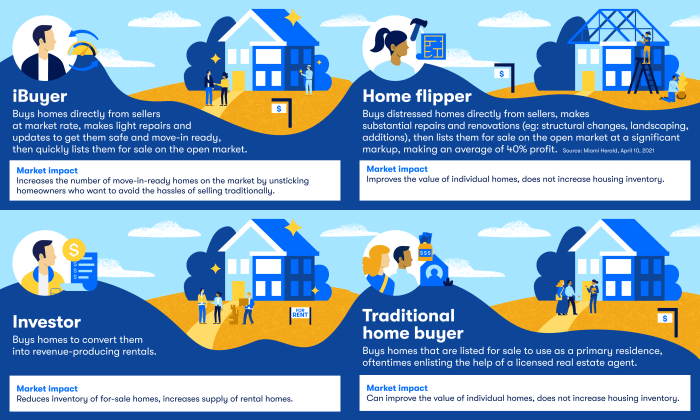
When it comes to selling your house, the financial aspect is crucial to consider. Understanding how pricing works with iBuyers compared to traditional real estate agents, as well as any additional costs or fees associated with selling to an iBuyer, can help you make an informed decision about which route to take.
Pricing Structure: iBuyers vs. Traditional Agents
When selling to an iBuyer, the pricing is typically based on an algorithm that takes into account various factors such as market trends, property condition, and location. This can result in a quick and hassle-free sale, but it may not always fetch the highest price for your property.
On the other hand, traditional real estate agents will conduct a comparative market analysis to determine the best listing price for your home, which may take longer but could potentially yield a higher sale price.
Additional Costs and Fees with iBuyers
Selling to an iBuyer may come with additional costs and fees that traditional sales do not have. These can include service fees, repair costs, and convenience fees, which can eat into your final sale price. It's important to carefully review and understand all the terms and conditions before committing to sell to an iBuyer to avoid any surprises later on.
Financial Implications of Choosing Between iBuyers and Traditional Sales
Choosing between an iBuyer and a traditional sale can have significant financial implications. While iBuyers offer speed and convenience, they may not always offer the best price for your home. On the other hand, traditional sales may take longer but could result in a higher sale price.
It's essential to weigh the pros and cons of each option carefully and consider your financial goals and priorities when deciding which route to take.
Closing Notes
The content of the concluding paragraph that provides a summary and last thoughts in an engaging manner
FAQ Explained
What is an iBuyer in real estate?
An iBuyer is a company that uses technology to make quick cash offers on houses, aiming for fast transactions.
What are the advantages of selling to an iBuyer?
Some advantages include speed of sale, convenience, and avoiding the traditional selling process.
How does pricing work with iBuyers compared to traditional real estate agents?
iBuyers often offer competitive prices, but traditional agents might involve negotiations to reach a final price.









![NCCA Accredited Certifications: Complete List [Updated]](https://digilife.gemblong.web.id/wp-content/uploads/2025/12/Easiest-persona-trainer-certifications-120x86.png)