As Autonomous Vehicle Liability: Can You Sue for a Self-Driving Car Crash? takes center stage, this opening passage beckons readers with casual formal language style into a world crafted with good knowledge, ensuring a reading experience that is both absorbing and distinctly original.
The content of the second paragraph that provides descriptive and clear information about the topic
Legal Framework
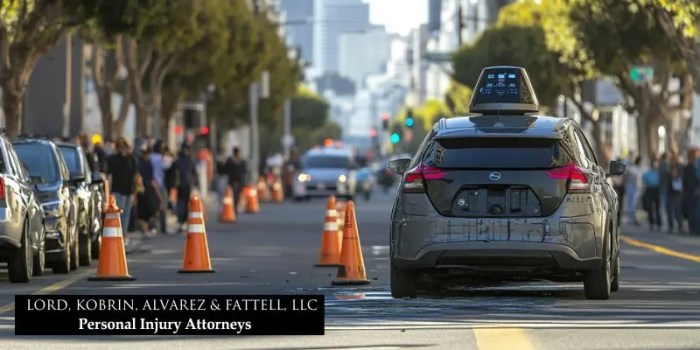
In the realm of autonomous vehicles, the legal framework surrounding liability is a complex and evolving landscape. As self-driving cars become more prevalent on the roads, it is crucial to understand the key laws and regulations that govern liability in the event of accidents involving autonomous vehicles.
These laws play a significant role in determining who is responsible for damages and injuries resulting from a self-driving car crash.
Differences in Liability
- Traditional Vehicles: In the case of accidents involving traditional vehicles, liability is typically determined based on factors such as driver negligence, traffic laws, and insurance coverage. The driver of the vehicle is usually held responsible for any damages or injuries caused by their actions.
- Autonomous Vehicles: When it comes to self-driving cars, the liability landscape shifts. In the event of an accident involving an autonomous vehicle, determining liability can be more complex. Factors such as the technology's programming, the actions of the vehicle's manufacturer, and the behavior of the vehicle itself all come into play when assigning responsibility for the crash.
Determining Fault
Determining fault in self-driving car accidents can be a complex process that involves evaluating various factors to determine who is responsible for the crash. Unlike traditional accidents where human error is often the primary cause, autonomous vehicle crashes may involve a combination of human, technology, and environmental factors.Factors that influence who is at fault in autonomous vehicle crashes include the following:
Role of Human Behavior
- Human intervention or override of autonomous systems
- Distracted driving or failure to monitor the vehicle
- Failure to follow safety guidelines or regulations
Role of Technology
- Software glitches or malfunctions within the self-driving system
- Hardware failures in sensors, cameras, or other components
- Inadequate testing or development of autonomous technology
Role of Environment
- Weather conditions affecting road visibility or traction
- Infrastructure issues like poorly marked lanes or construction zones
- Interactions with other vehicles or pedestrians on the road
The role of technology in determining liability is crucial in self-driving car accidents. Data from sensors, cameras, and onboard systems can provide valuable insights into what happened before, during, and after a crash. This information can help investigators reconstruct the accident, identify contributing factors, and assign responsibility accordingly.In cases where multiple factors are involved, determining fault in autonomous vehicle crashes may require a thorough investigation by experts in technology, engineering, and accident reconstruction.
As self-driving cars become more prevalent on the roads, establishing clear guidelines and standards for determining liability will be essential to ensure accountability and safety for all road users.
Manufacturer Responsibility
Self-driving cars introduce a new dynamic in terms of liability, as the responsibility for accidents may shift from human drivers to the manufacturers of autonomous vehicles. In the event of a crash involving a self-driving car, the question of who is at fault becomes more complex, raising important legal and ethical considerations.
Implications of Manufacturer Responsibility
- Manufacturers may be held accountable for design defects or software glitches that contributed to the accident.
- Establishing manufacturer responsibility can lead to stricter regulations and safety standards in the development and testing of autonomous vehicles.
- Legal battles between manufacturers, insurance companies, and injured parties may become more common as the technology continues to evolve.
- Manufacturers may need to invest in better safety features, testing protocols, and cybersecurity measures to minimize the risk of accidents and potential liability.
Insurance Coverage
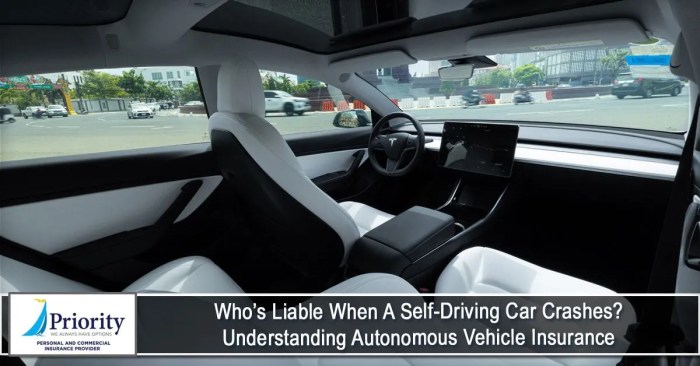
When it comes to autonomous vehicles, insurance coverage is a crucial aspect to consider. As self-driving cars become more prevalent on the roads, it is essential to understand the type of insurance required, how it compares to traditional auto insurance, and how liability is assessed in accidents involving autonomous vehicles.
Insurance Requirements for Autonomous Vehicles
- Autonomous vehicles are required to carry liability insurance, just like traditional vehicles, to cover damages in the event of an accident.
- Insurance for self-driving cars may also include coverage for the technology and software used in the vehicle's autonomous system.
- Insurance providers may offer specialized policies for autonomous vehicles to address the unique risks associated with self-driving technology.
Comparison with Traditional Auto Insurance
- Insurance for self-driving cars may be more expensive than traditional auto insurance due to the advanced technology and potential risks involved.
- Traditional auto insurance policies may not cover accidents caused by a malfunction in the vehicle's autonomous system, highlighting the need for specialized coverage for autonomous vehicles.
- Insurance companies may offer different coverage options for autonomous vehicles, such as product liability insurance for manufacturers and software developers.
Assessment of Liability by Insurance Companies
- Insurance companies may assess liability in accidents involving autonomous vehicles based on factors such as the vehicle's autonomous system performance, human involvement, and the circumstances leading to the accident.
- Insurance adjusters may work closely with experts in autonomous vehicle technology to determine fault and assess liability in complex cases.
- Insurance companies may also consider state laws and regulations related to autonomous vehicles when determining coverage and liability in accidents.
Conclusive Thoughts
The content of the concluding paragraph that provides a summary and last thoughts in an engaging manner
FAQ Guide
Can I sue a manufacturer if their self-driving car crashes?
Yes, you can potentially sue a manufacturer if their self-driving car is found to be at fault for a crash. Manufacturers can be held responsible for defects or failures in the autonomous technology.
What insurance coverage is needed for autonomous vehicles?
Insurance coverage for autonomous vehicles typically includes product liability insurance, cyber liability insurance, and traditional auto insurance policies.
How is fault determined in self-driving car accidents?
Fault in self-driving car accidents is determined based on factors such as data logs, sensor readings, and the actions of the human driver, if any. Technology plays a crucial role in this determination.