
Beginning with Burn Injury Litigation: Holding Negligent Property Owners Accountable, the narrative unfolds in a compelling and distinctive manner, drawing readers into a story that promises to be both engaging and uniquely memorable.
Burn injuries can have devastating consequences, and seeking legal recourse is crucial in holding negligent property owners accountable for their actions. This article delves into the intricacies of burn injury litigation, shedding light on the legal aspects, types of injuries, and the responsibilities of property owners.
Understanding Burn Injury Litigation
Burn injury litigation refers to the legal process of holding negligent property owners accountable for injuries sustained due to burns on their premises. It is crucial in ensuring that victims receive justice and compensation for the harm caused by the property owner's negligence.
Legal Aspects of Pursuing Burn Injury Claims
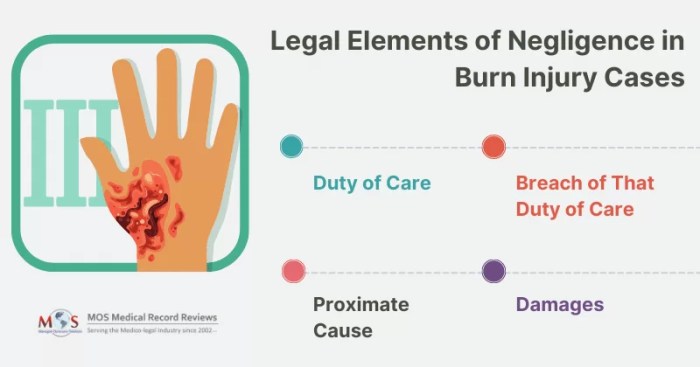
- Establishing Negligence: In burn injury cases, the victim must prove that the property owner failed to uphold their duty of care, leading to the burn incident. This often involves demonstrating that the owner knew or should have known about the hazardous conditions that caused the injury.
- Proving Causation: It is essential to establish a direct link between the property owner's negligence and the burn injury suffered by the victim. This requires presenting evidence that the owner's actions or lack thereof directly led to the harm experienced.
- Calculating Damages: In burn injury litigation, damages can include medical expenses, lost wages, pain and suffering, and other related costs. The legal process involves determining the full extent of the victim's losses and seeking appropriate compensation.
Role of Evidence in Proving Negligence
- Gathering Documentation: Evidence such as medical records, witness statements, incident reports, and photographs of the burn injury and the property conditions are crucial in establishing negligence on the part of the property owner.
- Expert Testimony: In some cases, experts in burn injuries or property safety may provide testimony to support the victim's claim of negligence. Their professional opinion can strengthen the case and help prove the property owner's liability.
- Documentation of Past Incidents: Previous accidents or complaints related to burn hazards on the property can serve as compelling evidence in demonstrating a pattern of negligence on the part of the property owner.
Types of Burn Injuries
Burn injuries can result from various sources, including thermal, chemical, and electrical factors, all of which can lead to potential litigation against negligent property owners.
Thermal Burns
Thermal burns are the most common type of burn injury and occur due to direct contact with flames, hot liquids, steam, or hot surfaces. These burns can cause damage to the skin and underlying tissues, leading to pain, scarring, and potential legal action against property owners.
Chemical Burns
Chemical burns occur when the skin comes into contact with corrosive substances like acids, alkalis, or solvents. These burns can be severe and may require extensive medical treatment, resulting in legal proceedings against property owners who failed to provide a safe environment.
Electrical Burns
Electrical burns result from contact with electrical currents and can cause internal injuries as well as external burns. These burns often require specialized medical care and can lead to litigation against property owners for inadequate safety measures.
Severity Impact on Legal Proceedings
The severity of burn injuries can significantly impact legal proceedings, with more severe injuries often resulting in higher compensation claims. Property owners may be held liable for neglecting safety measures that could have prevented such severe burns.
Common Causes of Burn Injuries on Properties
Common causes of burn injuries on properties include faulty electrical wiring, lack of proper warning signs for hazardous materials, inadequate fire safety measures, and negligence in maintaining safe premises. These factors can contribute to burn injuries and subsequent litigation against property owners.
Holding Property Owners Accountable

Property owners have a legal responsibility to ensure the safety of individuals on their premises, including taking measures to prevent burn injuries. Failure to uphold this duty can result in legal action through burn injury litigation
This could include not properly securing hazardous materials, neglecting to repair faulty electrical wiring, or failing to provide adequate warning signs in areas with hot surfaces.Premises liability laws dictate that property owners must maintain safe conditions on their premises to prevent harm to visitors.
In the case of burn injuries, property owners are expected to take reasonable precautions to minimize the risk of burns, such as installing fire alarms, maintaining fire extinguishers, and ensuring that flammable materials are stored safely.
Examples of Negligent Behaviors
- Failing to properly maintain kitchen equipment in a restaurant, leading to a grease fire.
- Ignoring reports of faulty electrical wiring in a residential building, resulting in an electrical fire.
- Not providing adequate supervision in a child care facility, leading to a child being burned by hot liquids.
Compensation and Damages
When pursuing litigation for burn injuries caused by the negligence of property owners, it is essential to understand the types of compensation available to victims, how damages are calculated, and the importance of legal representation in maximizing compensation.
Types of Compensation Available
- Medical Expenses: This includes costs for hospital stays, surgeries, medication, rehabilitation, and any other medical treatments related to the burn injury.
- Lost Income: Victims may be entitled to compensation for wages lost due to the injury, including future earning potential if the burn results in long-term disability.
- Pain and Suffering: Non-economic damages can be awarded to cover the physical pain, emotional distress, and mental anguish caused by the burn injury.
- Disfigurement: Compensation may be provided for any scarring or disfigurement resulting from the burn, impacting the victim's appearance and emotional well-being.
Calculating Damages and Factors Influencing Amount
Damages in burn injury cases are typically calculated based on the severity of the injury, the extent of medical treatment required, the impact on the victim's quality of life, and the degree of negligence exhibited by the property owner. Factors that may influence the amount awarded include:
- The degree of burns suffered (first, second, or third-degree).
- The location and size of the burns on the body.
- The long-term physical and emotional effects of the burn injury.
- The level of pain and suffering experienced by the victim.
- The financial losses incurred by the victim due to the injury.
Significance of Legal Representation
Seeking legal representation is crucial in burn injury cases to ensure that victims receive the maximum compensation they deserve. Experienced attorneys specializing in burn injury litigation can assess the damages, gather evidence, negotiate with insurance companies, and advocate for the victim's rights in court.
With legal expertise on their side, burn injury victims can navigate the complex legal process and increase their chances of obtaining fair and just compensation for their suffering.
Final Wrap-Up
In conclusion, Burn Injury Litigation: Holding Negligent Property Owners Accountable emphasizes the importance of seeking justice for victims of burn injuries caused by property owner negligence. By understanding the legal framework, types of injuries, and compensation available, individuals can navigate this complex terrain with confidence and ensure they receive the rightful support they deserve.
General Inquiries
What are the common causes of burn injuries on properties?
Burn injuries on properties can be caused by factors such as faulty electrical wiring, lack of fire safety measures, or improper handling of hazardous materials.
How are damages calculated in burn injury cases?
Damages in burn injury cases are typically calculated based on factors like medical expenses, lost wages, pain and suffering, and long-term impacts of the injury. An experienced attorney can help assess the full extent of damages.