
Embarking on the journey of understanding Medication Errors: Holding Pharmacies and Hospitals Accountable for Wrongful Dosages opens up a world of complexities and crucial considerations in the realm of healthcare. As we delve deeper into this topic, we uncover the intricate web of factors that contribute to medication errors, explore the devastating consequences of wrongful dosages, and shed light on the preventive strategies and accountability measures essential in safeguarding patient well-being.
Causes of Medication Errors
Medication errors in pharmacies and hospitals can occur due to various factors that compromise patient safety and well-being. These errors can have serious consequences and must be addressed to prevent harm.
Communication Breakdown
Miscommunication between healthcare providers, such as doctors, nurses, and pharmacists, can lead to medication errors. Inaccurate or incomplete transmission of information about prescriptions, dosages, and patient conditions can result in the wrong medication being dispensed or administered.
Inadequate Staff Training
Another common cause of medication errors is inadequate training of pharmacy and hospital staff. Insufficient knowledge about medication handling, dosage calculations, and error prevention techniques can increase the likelihood of mistakes occurring. Proper training and ongoing education are essential to minimize the risk of medication errors.
Consequences of Wrongful Dosages
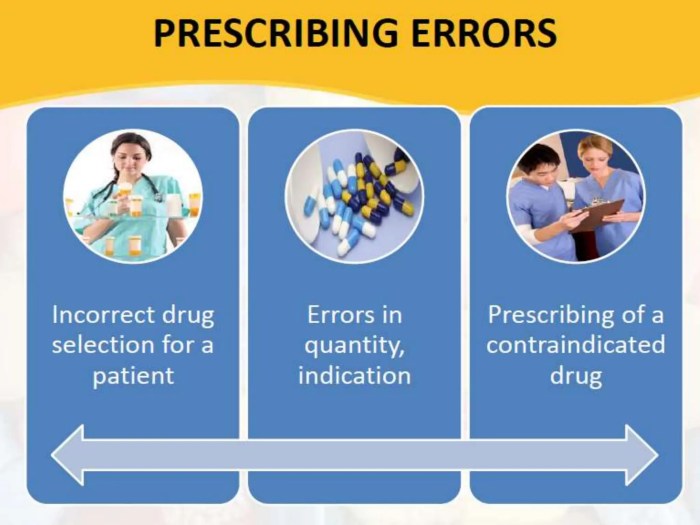
Administering incorrect medication dosages can have severe consequences on patients, ranging from mild discomfort to life-threatening situations. These errors can lead to a variety of adverse effects, depending on the type of medication and the dosage given.
Potential Harm Caused by Wrongful Dosages
- Increased risk of adverse drug reactions
- Worsening of the patient's condition
- Organ damage or failure
- Allergic reactions
- Toxicity
Examples of Adverse Effects on Patients
- Overdosing on a blood thinner leading to severe bleeding
- Underdosing antibiotics causing resistance and treatment failure
- Administering the wrong medication resulting in allergic reactions
- Incorrect dosage of pain medication leading to respiratory depression
Legal Implications for Pharmacies and Hospitals
- Lawsuits for medical malpractice
- Fines and penalties for negligence
- Potential loss of license for healthcare professionals involved
- Damaged reputation and loss of trust from patients and the community
Prevention Strategies
Implementing effective prevention strategies is crucial in reducing medication errors and ensuring patient safety in healthcare settings.
Best Practices for Medication Dispensing
- Labeling medications clearly and accurately to avoid confusion.
- Utilizing barcode scanning systems to verify medication identity.
- Implementing standardized protocols for medication storage and dispensing.
- Regularly training pharmacy staff on medication safety practices.
Importance of Double-Checking Prescriptions
- Double-checking prescriptions before administration can help catch errors such as incorrect dosages or medications.
- Encouraging a culture of teamwork where healthcare professionals collaborate to verify prescriptions.
- Utilizing automated systems for cross-referencing prescriptions to reduce human error.
Role of Technology in Reducing Medication Errors
- Implementing electronic health records (EHR) to track medication history and prevent duplications or interactions.
- Utilizing electronic prescribing (e-prescribing) systems to reduce errors related to illegible handwritten prescriptions.
- Integrating clinical decision support systems to provide real-time alerts for potential medication errors.
Accountability Measures
When it comes to medication errors, holding pharmacies and hospitals accountable is crucial in ensuring patient safety and preventing future incidents. This involves a systematic approach to reporting, investigating, and addressing wrongful dosage incidents.
Reporting and Investigating Wrongful Dosage Incidents
Reporting and investigating wrongful dosage incidents is a critical step in holding pharmacies and hospitals accountable for medication errors. When a medication error occurs, healthcare providers must promptly report the incident to the appropriate authorities. This typically involves documenting the details of the error, including the medication involved, the dosage administered, and any adverse effects experienced by the patient.
Once reported, an investigation is conducted to determine the root cause of the error. This may involve reviewing the medication administration process, identifying any gaps or weaknesses in the system, and implementing corrective actions to prevent similar errors in the future.
The goal of this process is to learn from mistakes and improve medication safety practices.
Role of Regulatory Bodies
Regulatory bodies play a crucial role in ensuring accountability for medication errors. These organizations establish guidelines and standards for medication safety, monitor compliance with regulations, and enforce penalties for violations. By holding pharmacies and hospitals accountable to these standards, regulatory bodies help maintain the integrity of the healthcare system and protect patient well-being.
Concluding Remarks
In conclusion, the importance of ensuring accuracy and accountability in medication administration cannot be overstated. By addressing the root causes, understanding the repercussions, and implementing stringent preventive measures, pharmacies and hospitals can strive towards a safer and more reliable healthcare system.
Let us continue to advocate for patient safety and uphold the highest standards of care in the face of medication errors.
Frequently Asked Questions
What are some common factors contributing to medication errors?
Common factors include miscommunication between healthcare providers, inadequate staff training, and errors in medication dispensing processes.
What potential harm can administering incorrect medication dosages cause?
Administering incorrect dosages can lead to adverse effects on patients, ranging from mild discomfort to life-threatening consequences.
How can pharmacies and hospitals be held accountable for medication errors?
Accountability measures include reporting and investigating wrongful dosage incidents, as well as regulatory oversight to ensure compliance with safety protocols.